
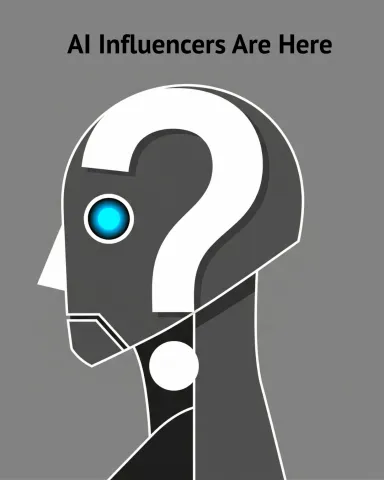
Let's talk about something that feels like it’s straight out of a sci-fi movie but is very much our reality: AI-generated influencers. You’ve probably seen them on your feeds – eternally perfect, always on-brand, and never caught in a candid, messy moment. For brands, this level of control is a dream. But for audiences, it raises a big, bold question: What’s real anymore?
At Great Matter, we're all about diving into the future of digital marketing, but we also know that trust is the currency of our industry. So, as brands start to swap human creators for synthetic personalities, we have to ask: where is the line between innovation and authenticity?
The Rise of the Virtual Persona
AI influencers offer some tempting perks. They’re available 24/7, can be anywhere in the world at once, and their messaging is always perfectly aligned with a brand’s goals. There are no scheduling conflicts, no creative differences, and no risk of a personal scandal derailing a campaign.
But here’s the catch: influencer marketing works because it’s built on human connection. We follow creators because we relate to their stories, trust their opinions, and feel a sense of community with them. Can a string of code, no matter how sophisticated, truly replicate that?
Audiences are smart. They can sniff out an inauthentic voice from a mile away, and they value transparency above all else. If a campaign feels deceptive, it doesn’t just fail; it can do lasting damage to a brand's reputation.
How to Keep It Real in a Synthetic World
So, can AI influencers and authenticity coexist? We think so, but it requires a new playbook. Whether you're working with a human creator or a virtual one, the goal is the same: to build a genuine connection with your audience.
Here’s how to do it right:
- Be Radically Transparent: Don't try to pass off an AI influencer as a real person. Embrace innovation! Let your audience in on the fact that your influencer is virtual. This honesty builds trust and can even become a fascinating part of your brand’s story. Frame it as a creative exploration of technology, not a trick.
- Focus on Value, Not Just Perfection: A flawless feed is boring. Real engagement comes from content that helps, entertains, or inspires. Use your AI influencer to provide genuine value. Can they offer unique tutorials, showcase products in creative ways, or tell a compelling, ongoing story? The medium might be artificial, but the value should be very real.
- Uphold Ethical Standards: Just because an AI isn't real doesn't mean ethical considerations go out the window. Ensure your virtual influencer’s persona and messaging are inclusive, positive, and responsible. They are still a reflection of your brand's values.
- Listen and Engage: The most important part of any conversation is listening. Monitor comments and conversations around your AI influencer. What does your audience think? What do they want to see? Use this feedback to guide your strategy and show that there are real, caring humans behind the screen.
The Future is a Hybrid
Ultimately, the rise of AI influencers doesn’t mean the end of human creators. The future of influencer marketing is likely a hybrid, where brands leverage both to create rich, multi-dimensional campaigns.
The core principle remains the same: authenticity is non-negotiable. Whether powered by a human heart or a sophisticated algorithm, a successful campaign is one that feels real, resonates emotionally, and respects the intelligence of its audience.
Ready to explore what's next in digital marketing? Let's talk.