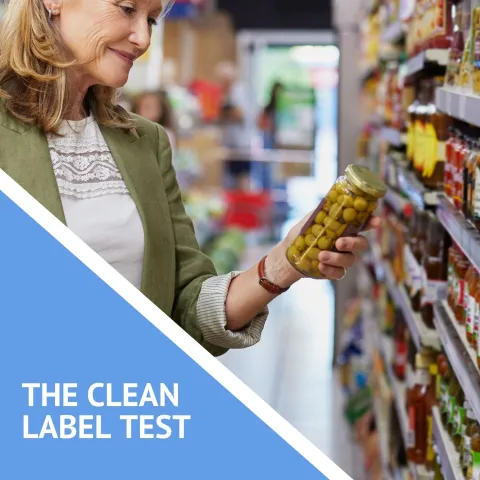
Something significant has shifted in how consumers read a food or beverage label. Not long ago, "clean label" was a selling point, a way for challenger brands to carve out shelf space by positioning against the ingredient-dense incumbents. Today, it's a baseline expectation. A filter. A trust test that happens before the purchase decision, not after.
According to recent research, clean label products are projected to represent 38% of all new food and beverage launches globally in 2026, up from 29% just a few years ago. Retailers are no longer just influenced by the movement; they're enforcing it. And consumers, increasingly skeptical of greenwashing and wellness theater, are getting better at telling the difference between a brand that's genuinely clean and one that's performing cleanliness.
That distinction, real versus performed, is where the marketing challenge lives. And it's exactly the kind of challenge where brand strategy and creative execution have to work together or the whole thing falls apart.
Why Most Clean Label Marketing Misses the Point
Here's the problem with how most food and beverage brands approach clean label marketing: they treat it as a claim to be communicated rather than a story to be told. They put "no artificial preservatives" on the front of pack, add a leaf icon to the logo, update the color palette to earth tones, and call it done.
This approach underestimates the consumer. People who are genuinely motivated by clean ingredients have done their research. They know what seed oils are. They understand the difference between "natural flavors" and actually natural flavors. They've read enough labels to know when simplicity is genuine and when it's strategic ambiguity dressed up as transparency.
The brands winning on clean label in 2026 aren't the ones making the loudest claims. They're the ones telling the most credible stories. And credibility in this space comes from specificity, consistency, and the willingness to explain choices that most brands would rather not draw attention to.
The Trust Gap Is a Creative Problem
There is a measurable trust gap between what food brands say about their ingredients and what consumers believe. Closing that gap isn't a regulatory or R&D problem, though those matter too. It's a creative and strategic problem, which means it requires the kind of thinking that produces coherent brand systems rather than one-off label updates.
What does a credible clean label brand look like across every touchpoint? It looks consistent. The ingredient transparency that lives on the back of the pack should live in the brand's social content, in the founder's interviews, in the way the company talks about its supply chain. When there's a gap between the label story and the brand story, consumers notice. And in a category where trust is the primary purchase driver, that gap is expensive.
This is where design and strategy intersect in ways that matter. Typography that signals craft. Color systems that communicate naturalness without resorting to cliche. Copy that explains ingredient choices in plain language without being preachy. Packaging that performs on the physical shelf and the digital shelf simultaneously. None of these elements work in isolation. They work as a system, and building that system requires genuine strategic and creative alignment from the start.
What Great Matter Brings to This Moment
Great Matter works at exactly the intersection where clean label brands tend to struggle most: the space between what a brand genuinely is and how it's understood by the people it's trying to reach.
That's not a gap that can be closed with a packaging refresh or a new content calendar. It requires the kind of deep brand thinking that starts with positioning and works forward through every expression of the brand, the visual identity, the voice, the packaging system, the content strategy, and the retail experience. It requires asking harder questions than most marketing briefs ask, like: what does this brand actually believe? What would it refuse to do? What's the version of this story that holds up when a skeptical consumer starts pulling on the threads?
For food and beverage brands navigating the clean label moment, Great Matter offers a specific combination of capabilities that matters. Brand strategy that goes beyond positioning statements to build the kind of narrative architecture that can anchor every piece of communication. Creative execution that understands food and beverage culture, what feels real in this category and what feels forced. And a systems-level approach to brand building that ensures the story told on the label is the same story told everywhere else.
The clean label opportunity isn't available to every brand. It has to be earned through genuine product choices. But for the brands that have done the hard work on the product side, the creative work of communicating that authenticity clearly and compellingly is where the market share is won.
The No Seed Oil Signal and What It Tells Us About Where This Is Heading
If you want to understand where clean label is going, look at the fastest-growing claim in food and beverage right now. It's not organic. Not non-GMO. Not gluten-free. It's no seed oil, growing at a triple-digit volume rate over the past three years. What started as fringe wellness discourse has reshaped product formulation at scale, with major players including Conagra and PepsiCo responding with reformulated offerings and new product lines.
This is the pattern clean label has followed consistently: a skeptical consumer conversation begins at the edges of the culture, often on social media, builds credibility through repetition and community, and eventually becomes a mainstream expectation that brands have to meet. The brands that recognize these signals early and build their product and marketing strategy around them gain a meaningful first-mover advantage. The brands that wait until the claim becomes a commodity lose that window.
Identifying those signals, understanding what they mean for brand positioning, and building the creative strategy to own them before they go mainstream is precisely the kind of work Great Matter is built to do. In a category moving this fast, the question isn't whether clean label will matter to your brand. It's whether your brand will be ready when it does.
The Bottom Line
Clean label is no longer a differentiator. It's a category entry requirement that's getting stricter every year. The brands that will win aren't the ones that simply meet the requirement. They're the ones that build a brand around it, that make ingredient honesty the center of their creative identity rather than a line on a checklist.
That requires a specific kind of partner. One that understands brand strategy deeply enough to build positioning that can sustain scrutiny. One that understands food and beverage culture well enough to know what resonates and what rings hollow. And one that can execute across the full system of a brand, from naming and identity to packaging and content, with the kind of consistency that turns a product into a brand that people trust.
That's what Great Matter does. And in the clean label moment, that work has never mattered more.