Picture this: it’s a late Tuesday afternoon at a growing B2B startup. The marketing team just sent an email campaign to 500 leads. Slack is buzzing, the sales team is giddy, and someone actually ordered Domino’s to celebrate.
But just as sting from the team’s high-fives fades, the Cheif Marketing Officer leans back and asks,
“Cool... but what do those leads know who we are?”
The cheese on the pizza congeals in the deafening silence. Short-term wins feel amazing in the moment, but without a plan and proper context, they’re really just distractions rather than building blocks.
Let’s break down how to balance winning now and growing for the future.
Short-term goals are your sprints—think lead generation campaigns, social engagement boosts, flash sales, or hitting this month’s Marketing Qualified Lead (MQL) target. They're measurable, fast, and often tied to quarterly KPIs.
These goals matter. A lot.
Results show growth. You need quick data to learn what’s working, and what isn’t. However, if your whole game plan is built on quick wins, you’re not building anything that lasts. That lead gen ad might crush it today—but what happens when people forget your name tomorrow?
Let’s talk about the marathon—your brand reputation, customer trust, brand equity, and market positioning. While they’re not flashy and don’t spike overnight, when someone chooses your service over a less expensive competitor, it’s likely because they believe in your values. That's the long-term payoff.
Building this trust takes time. Through leadership, consistent messaging, and a clear voice across platforms, you can create brand value. Long-term goals amplify short-term wins. When people already know and trust your brand, your lead generation campaigns perform better. Your emails get opened more often. Your offers feel credible. And your effort into the campaign diminishes.
Despite the virtues of the marathon approach, you still can’t survive without short-term wins. But your brand won’t scale without long-term vision. It’s like building a campfire—kindling gets things started, but it’s the big logs that keep it going strong.
Here’s how to strike the balance between short and long-term wins:
1. Align Your Goals: Before launching anything, ask, “Is this campaign feeding a long-term narrative or a quick win?” Make sure every short-term tactic contributes to a bigger picture goal like brand awareness, audience education, or positioning.
2. Layer Your Metrics: Track fast results (clicks, conversions, and MQLs), and long-term indicators (direct traffic growth, branded search, sentiment, and repeat customers). That’s how you measure real impact—not just noise.
3. Plan Campaigns in Phases: Start with awareness (blog content, social, video), then move into engagement (guides, webinars, and retargeting), and end with conversion (offers and demos). This lets you score those quick wins while moving people through a brand-building journey.
4. Don’t Panic: If a campaign doesn’t engage the way you thought it would right away, don’t panic. Think of the other secondary goals it might be attaining. Is it helping your brand stay visible? Does it build credibility? Sometimes the win is long but lasting. Digital marketing makes it easy to chase the next big click or viral moment, but the smartest brands don’t just run after spurts of attention—they earn it over time.
Celebrate the short-term wins, really, do a happy dance and order your team pizza. But always think: Does this help us grow in the long run, too?
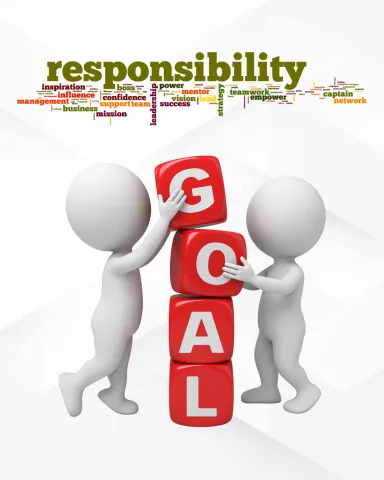
Your goal shouldn’t just be more leads. It should be building a brand people actually want to follow, trust, and buy from again and again.
Ready to balance both worlds?
Start with this: What’s one campaign you’re running this week?
Then ask yourself: how can it feed both today’s numbers and tomorrow’s brand goals?
At Great Matter, this is exactly how we think—blending quick wins with long-term brand building, every step of the way. Let’s build something that lasts.